Daylily Growing Guide

Mason O'Donnell
| 19-08-2026
 · Plant Team
Lykkers, have you ever seen a group of bright flowers brighten an entire garden?
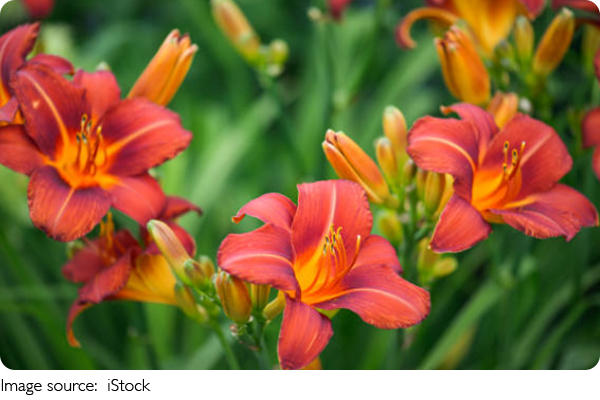
Daylily is a hardy perennial with graceful leaves and trumpet-shaped blooms. We can grow it in garden beds, borders, or containers, and with simple care, it can return with fresh growth each year.
Give It Enough Light
Daylily enjoys plenty of sunlight but can also handle partial shade. For container growing, we can choose a place with several hours of direct sunlight each day. During very hot summer afternoons, some light shade can protect the leaves from intense heat.
For outdoor planting, we can select an open area or a location beneath light tree cover. Good lighting helps the plant build energy for strong leaves and future flowers.
Keep Temperatures Suitable
A temperature range of about 15-25°C is ideal for active growth. During this period, we can expect new leaves to develop quickly as the plant prepares for flowering.
Established plants can usually stay outdoors through winter because their underground roots have good cold tolerance. When temperatures fall, the leaves may gradually dry and disappear. This does not mean the plant is gone. With warmer spring weather, new shoots can appear again.
In colder regions, we can move container-grown plants to a sheltered location during winter.
Water According to Season
Spring and autumn are active growing seasons, so we should keep the soil moderately moist. We can check the surface every few days. When it looks dry and feels dry to the touch, water thoroughly until excess water drains away.
During hot summer weather, moisture can disappear quickly. We can water more often when necessary, especially for plants growing in containers. Good drainage remains important because constantly wet soil can create root problems.
In winter, growth slows down, so watering can be reduced. Before watering, we can check the soil and container weight. If the soil is dry and the container feels noticeably lighter, we can provide a thorough drink.
Feed for Better Growth
Good nutrition supports healthy leaves and attractive blooms. When planting, we can mix a suitable organic soil amendment into the growing medium. It should be blended evenly rather than placed directly against the roots.
In spring, a balanced fertilizer can support new growth. When flower buds begin to appear, we can use a fertilizer with more phosphorus and potassium to support bud formation and flowering.
We should keep feeding moderate. A simple, regular routine is easier to manage than applying large amounts at once.
Protect the Root Area
Outdoor daylily needs little attention after becoming established. As autumn arrives and temperatures drop, the leaves gradually turn yellow and dry. This is part of its natural seasonal cycle.
The underground root system remains protected while the upper growth rests. Over time, the roots can move closer to the soil surface. We can add a fresh layer of soil around the plant in autumn or early winter to cover exposed roots and provide extra protection.
We should add soil gently and avoid covering the central growing point too deeply.
Choose a Larger Container
For container growing, we can choose a wide container with good drainage. Daylily produces several shoots, so extra room allows the plant to form a fuller group.
Instead of growing only one plant, we can place several together for a stronger visual effect. Around five plants can create a beautiful cluster when they bloom together, especially when the container is large enough for healthy root development.
Drainage holes are important because excess water needs to escape. A loose growing medium also allows air and moisture to move through the root area.
Enjoy Its Yearly Return
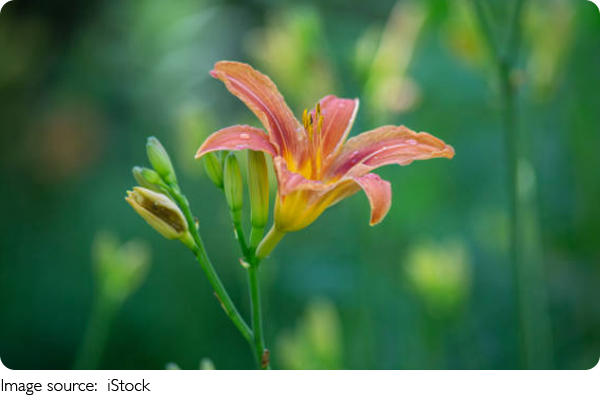
One of the most enjoyable parts of growing daylily is watching its seasonal rhythm. We see fresh shoots appear in spring, leaves become fuller as temperatures rise, and bright flowers emerge during the warmer months. Later, the leaves gradually fade as the plant prepares for winter.
Lykkers, with enough light, careful watering, suitable feeding, and sensible winter protection, we can make daylily a lasting part of our garden. Would you rather grow a small group in a container or create a larger outdoor display? Whichever we choose, watching these flowers return each year can bring a simple and rewarding touch of color to our gardening routine.
How to Grow Daylilies in Containers | Oakes Daylilies
Video by Oakes Daylilies