Space Junk: A Silent Crisis

Chris Isidore
| 29-07-2026
 · Science Team
Hello, Lykkers! You know how we humans are amazing at making a mess?
Well, we've done it again—this time in the great big sky above. Space, that vast, silent frontier, is slowly turning into a cosmic garbage dump.
And scientists are starting to sound the alarm: space debris isn't just a sci-fi plot anymore; it's a real, urgent problem that could mess up satellites, space stations, and even our daily GPS and weather forecasts.
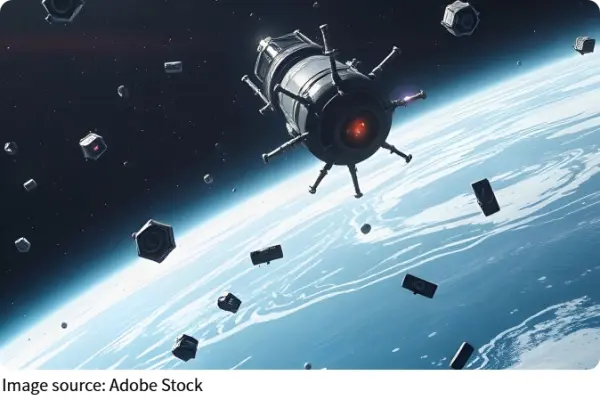
So what exactly are we talking about? Picture tens of thousands of objects—dead satellites, rocket stages, bits from old missions, even flecks of paint—zipping around Earth at speeds of up to 17,500 miles per hour. At that velocity, even a tiny bolt can hit like a freight train. And with each major collision, the problem gets worse, creating even more fragments in a domino effect called the Kessler Syndrome. It's like if your kitchen junk drawer had a baby with a blender, then turned it on full speed.
The Numbers Are Staggering
According to the European Space Agency, there are roughly 34,000 pieces of debris larger than 4 inches being tracked, but millions of smaller pieces exist that are too tiny to monitor. That's a lot of sharps floating out there. And every time a satellite is launched—and there are thousands more planned by companies like Starlink—the risk of collision grows. The International Space Station has had to dodge debris dozens of times. It's like playing dodgeball, but the balls are invisible and could punch a hole through your metal jacket.
Why Should You Care?
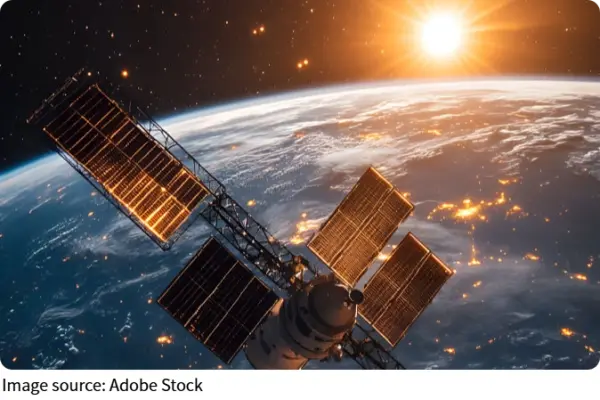
I know, I know—space junk sounds like a problem for astronauts and rocket scientists. But here's the thing: we all rely on satellites for navigation, banking, communications, weather forecasts, and even Netflix. A major debris event could take out a key satellite, causing chaos on the ground. Imagine your GPS suddenly showing you a field instead of a road, or your weather app giving you random forecasts. It's not just a space problem; it's a ground problem with space roots.
What's Being Done?
Scientists are not just sitting around watching the mess grow. There are proposed solutions like laser brooms to nudge debris out of orbit, nets and harpoons to capture big pieces, and even experimental "space tugs" that could drag defunct satellites to a graveyard orbit. Some countries are now mandating that new satellites have a plan for deorbiting after their mission ends. But these are baby steps. We need international cooperation, because space has no borders—and neither does junk.
Can We Stop It?
The honest answer is: maybe, but only if we act soon. Some experts say we've already passed a tipping point where debris will keep growing even if we stop launching. Others think we can slow it down with better tracking and active removal. But the clock is ticking. Every day we wait, the odds of a catastrophic collision increase. Think of it like leaving your Christmas lights in a tangled heap in the attic—except this heap is flying over your head at 17,000 mph.
So next time you look up at a clear night sky, realize it's not as empty as it seems. There's a quiet crisis happening up there, and it needs our attention. Whether you're a sci-fi fan, a tech geek, or just someone who likes using online maps, we all have a stake in keeping space clean. Let's hope we clean up our act before the sky starts raining junk down on our heads—metaphorically, of course. Stay curious, stay aware, and maybe recycle a little extra in the interest of orbital peace.