Shielded Specimen Survival

Liam Reilly
| 17-06-2026
 · Art Team
A masterwork carved from Italian marble is often placed within a carefully controlled indoor environment where humidity and temperature remain stable.
In contrast, a similar sculptural object installed outdoors is immediately exposed to environmental forces that gradually alter its surface and structure over time.
This article focuses on sculpture as physical material objects, emphasizing how different materials behave under environmental stress rather than their artistic or historical significance. The central concern is how material properties determine durability, stability, and long-term preservation.
The Outdoor Environment
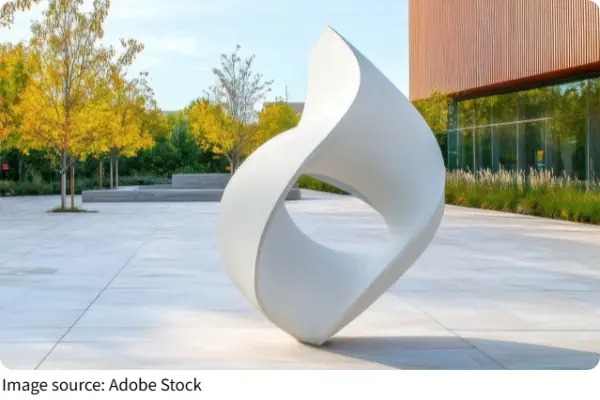
Outdoor conditions subject sculptural materials to continuous thermal cycling, where daily temperature changes cause repeated expansion and contraction. Over time, this movement can contribute to surface weakening and gradual material loss in stone-based structures.
Moisture exposure further influences durability. Rainwater, especially when slightly acidic due to atmospheric gases, interacts with calcium-based stone materials, slowly softening surface detail. In porous materials, repeated absorption and drying cycles accelerate structural breakdown.
Metals such as bronze and stainless steel are commonly used outdoors because of their material stability. Bronze develops a protective oxidized layer that slows further corrosion, while stainless steel resists environmental degradation through its stable surface composition. These properties make them more suitable for long-term exposure compared to more absorbent stone materials.
Indoor Environmental Stability
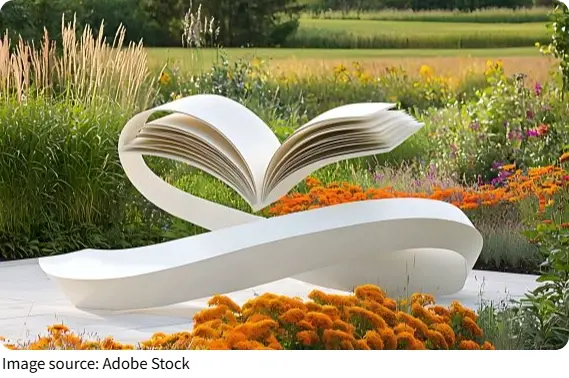
Indoor environments provide controlled conditions with limited exposure to moisture, ultraviolet radiation, and airborne pollutants. This stability allows for the use of more delicate materials that would deteriorate rapidly outdoors.
Plaster and gypsum-based materials remain stable indoors but are highly vulnerable to water exposure. Even minimal contact with moisture can weaken structural integrity and damage surface detail.
Painted wood is sensitive to changes in humidity. Variations in moisture levels cause expansion and contraction within the material, which can lead to cracking or separation of surface layers.
Unglazed ceramic materials remain stable in dry indoor conditions but are vulnerable in outdoor environments where salts can accumulate within pores and cause internal pressure damage.
Composite materials containing resins or synthetic components may degrade under prolonged sunlight exposure, resulting in discoloration and reduced structural strength.
Preservation and Maintenance
Long-term preservation depends on both material selection and environmental management. Outdoor bronze surfaces are often protected with thin barrier coatings that reduce direct contact with moisture and pollutants. These coatings require periodic renewal to maintain effectiveness.
Indoor preservation focuses on environmental control and cleanliness. Air filtration systems reduce dust accumulation, while careful cleaning prevents buildup in fine surface details that could retain moisture and promote deterioration.
Environmental Behavior of Sculptural Materials
The environment in which a sculptural object is placed directly determines its physical condition over time. Outdoor exposure leads to gradual transformation through natural forces, while indoor environments preserve structural precision by limiting external stress.
This comparison highlights a fundamental principle of material behavior: durability is determined not only by strength, but by the relationship between material properties and environmental conditions. Understanding this relationship is essential for selecting, placing, and preserving sculptural materials effectively.