Sculpture Materials

Ravish Kumar
| 23-04-2026
 · Art Team
A sculpture begins long before the first cut or mold. It starts with a decision that defines everything that follows—the choice of material.
Texture, weight, durability, and even emotional impact are all shaped by what the artist selects at the beginning.
From solid stone to flexible clay, each material carries its own visual language.
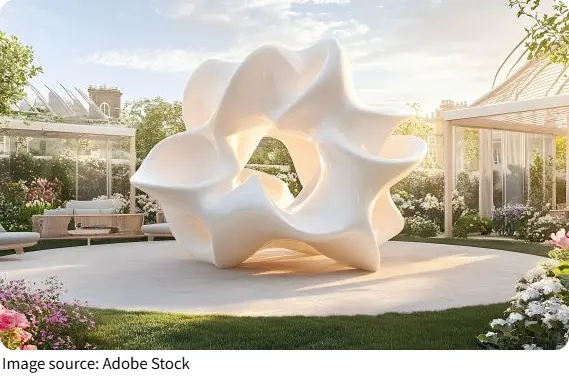
Stone: Timeless and Enduring
Stone is one of the oldest materials used in sculpture, valued for its strength and permanence. It allows for detailed carving but requires patience and precision.
1. Marble — smooth surface, ideal for fine detail
2. Granite — extremely durable, suited for outdoor works
3. Limestone — softer and easier to carve
Stone sculptures often convey a sense of permanence and stability due to their resistance to time and weather.
Metal: Strength with Flexibility
Metal allows for both solid structure and dynamic forms. It can be cast, welded, or assembled, offering flexibility in design.
1. Bronze — traditional casting material with rich surface detail
2. Steel — strong and modern, often used in large installations
3. Aluminum — lightweight and corrosion-resistant
Metal surfaces can be polished, textured, or oxidized, giving artists wide creative control.
Clay: Immediate and Expressive
Clay is one of the most responsive materials, allowing direct hand interaction. It is often used for modeling before final casting.
• Easy to shape and adjust
• Suitable for both small studies and detailed models
• Can be fired to become ceramic for permanence
Its flexibility makes it ideal for exploring form and proportion quickly.
Wood: Organic and Textured
Wood brings warmth and natural variation to sculpture. Its grain patterns influence both structure and appearance.
1. Hardwood — dense and durable, good for fine carving
2. Softwood — easier to shape but less resistant to wear
3. Reclaimed wood — adds character through natural aging
Wood requires careful maintenance but offers a strong organic presence.
Plaster and Resin: Versatile and Accessible
These materials are often used for prototypes or final works that require controlled shaping.
1. Plaster — fast-setting, ideal for modeling and casting
2. Resin — durable, allows for smooth finishes and color effects
They are especially useful in experimental or modern sculptural practices.
Material and Artistic Intent
The choice of material is not only technical but also conceptual. A heavy stone piece communicates permanence, while a lightweight resin work may suggest movement or fragility.
Artists often match material to message, ensuring that form and meaning align.
Durability and Environment
Sculptures placed indoors or outdoors require different considerations.
1. Weather resistance — important for outdoor installations
2. Maintenance needs — some materials require regular care
3. Structural stability — affects long-term integrity
Choosing the wrong material can shorten a sculpture's lifespan or alter its appearance over time.
Combining Materials
Modern sculpture often blends multiple materials to create contrast.
• Stone paired with metal for tension between natural and industrial
• Wood combined with resin for mixed texture effects
• Metal structures with fabric or softer elements for contrast
This approach expands creative possibilities beyond traditional boundaries.
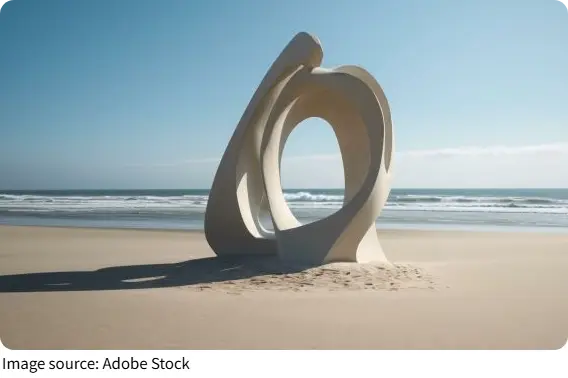
The Material as Part of the Message
In sculpture, material is never just a medium—it is part of the story. It shapes how the viewer perceives weight, emotion, and form.
Whether carved, cast, or assembled, every material brings its own character into the artwork, quietly influencing how meaning is experienced in physical space.