The Secret Life of Cats

Owen Murphy
| 31-03-2026
 · Animal Team
Cats are known for their mysterious and independent nature, and many pet owners wonder what their feline companions do when they're not around.
From climbing to unexpected places to engaging in playful antics, cats seem to have their own secret lives. But is it all just random behavior, or is there a deeper reason behind their actions? Let's uncover what really goes on when you're not looking.
1. Cats Have a Tendency to Explore
When left alone, many cats will embark on a journey of exploration. Whether it's creeping into cabinets, climbing on high shelves, or investigating places they know are off-limits, curiosity drives their adventures. This behavior is an extension of their natural instincts to scout their environment for potential threats or sources of food. While it might seem mischievous, it's simply the cat's way of ensuring its territory is well understood and secure.
2. Nighttime Activity: Cats Are Nocturnal Creatures
Unlike humans, cats are naturally crepuscular, meaning they are most active during dawn and dusk. When left alone at night, cats may engage in heightened activity, including playful behavior, hunting instincts, or simply prowling around the house. This nocturnal nature means that when you return home after work or in the morning, your cat may have already burned through a lot of energy, explaining their sudden bursts of playfulness.
3. Playtime Is a Solo Affair
Without their owners, many cats turn to their toys for entertainment. Whether it's batting around a ball of yarn, chasing a feather, or pouncing on imaginary prey, play is an essential part of their day. Cats often engage in solo play that mimics hunting behaviors. The action of chasing and pouncing helps them hone their predatory instincts, even if they don't have a real prey to catch. Some cats even develop an affection for certain toys, treating them as “companions” while they're alone.
4. Cats Can Be Very Vocal When Alone
While many cats are quiet, some become more vocal when they're alone. Cats have a wide range of vocalizations, including meowing, chirping, or even “talking” to themselves. Some cats will make these sounds to express their frustration with being alone, while others may be trying to communicate with you or with imaginary “friends” in their environment. It's also possible that vocalizations serve as a way for cats to comfort themselves in your absence, especially if they are feeling a bit anxious.
5. Cats May Show Signs of Separation Anxiety
Although cats are often portrayed as independent, some can develop separation anxiety when left alone for long periods. This condition can manifest in various ways, such as excessive meowing, scratching at doors or windows, or even destructive behavior like knocking over plants or furniture. While it's often seen in dogs, cats can also struggle with loneliness, and it's important to ensure they have enough stimulation and comfort when left alone.
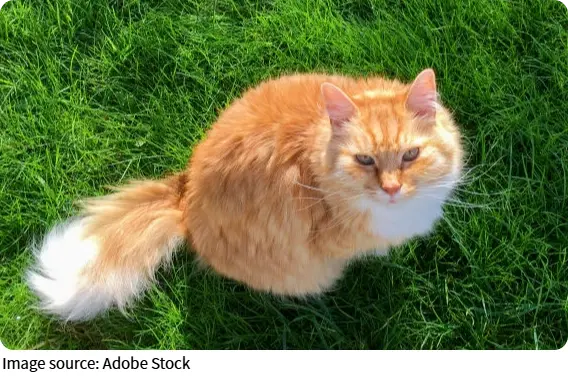
6. The Great Cat Nap: Sleep, Sleep, Sleep!
One of the most common activities a cat will engage in when you're not around is sleeping. Cats sleep an average of 12-16 hours a day, and when you're away, they are likely catching up on their much-needed rest. This is completely natural—cats are designed to sleep for long periods, especially when they're not actively hunting. If you're concerned about your cat's sleep habits, know that it's normal for them to snooze during the day and be most active during the evening or night.
Conclusion: A World of Curiosity
The secret life of cats is filled with exploration, curiosity, and the occasional mischief. While their behavior when you're not around can seem like a mystery, it's simply an expression of their instincts, need for independence, and their innate desire for entertainment and comfort. By understanding the hidden world of your feline friend, you can develop a deeper connection with them, knowing what they might be up to when you're not looking. Next time you leave the house, just know that your cat is living their own little adventure.