Floral Table Centerpiece

Declan Kennedy
| 05-03-2026
 · Plant Team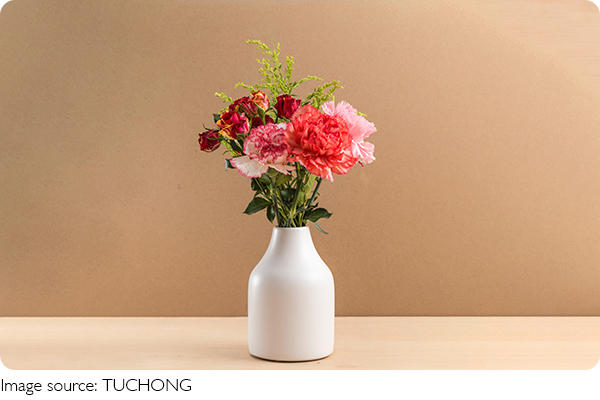
A dinner table can change its entire mood with one small detail placed at the center.
Think about walking into a room where friends are already chatting, plates are neatly set, and right in the middle sits a fresh arrangement of flowers.
Even before the meal begins, that small centerpiece quietly sets the tone—welcoming, relaxed, and a little special.
Floral table centerpieces are not just decorative objects. They guide the atmosphere of a gathering, help organize the visual space of the table, and create a focal point that ties everything together. The good news is that designing one does not require complicated techniques or rare flowers. A few thoughtful choices about height, color, and placement can turn simple blooms into a centerpiece that feels intentional and inviting.
Choosing the Right Shape and Height
1. Keep the arrangement low
One of the most practical rules for table centerpieces is height. Guests should be able to see one another easily across the table. Many experienced florists keep arrangements below about 25–30 centimeters. This keeps the flowers visible without blocking conversation. A compact arrangement in a small vase often works better than tall stems during meals.
2. Match the size to the table
A large dining table can support a longer centerpiece or even a row of smaller arrangements spaced evenly along the center. On a smaller round table, a single compact arrangement usually works best. The goal is balance—flowers should enhance the table rather than crowd it.
3. Use stable containers
Wide-based vases, ceramic bowls, or short glass containers help keep arrangements steady. During lively gatherings, people reach across the table frequently, so a stable container prevents accidental tipping.
Creating Color Harmony
1. Choose two or three main colors
Many professional floral designers limit centerpieces to a small color palette. For example, white flowers paired with soft green foliage create a calm and elegant look. Another popular combination is pale pink flowers mixed with creamy tones. Restricting the palette keeps the arrangement visually balanced.
2. Let greenery frame the flowers
Leaves and branches are not just fillers; they provide structure and contrast. Eucalyptus, fern leaves, or other soft greenery create natural shapes that make the flowers stand out more clearly. They also add texture and depth to the arrangement.
3. Repeat colors already on the table
A helpful trick is to echo colors that already appear in the table setting. If napkins are light blue or plates have subtle patterns, selecting flowers with similar tones helps the entire table feel coordinated.
Simple Placement Techniques
1. Leave space for serving dishes
A centerpiece should never compete with the practical needs of the table. Leave open areas for plates, bowls, and shared dishes. Placing the arrangement slightly off-center sometimes works better for smaller tables.
2. Combine flowers with small accents
Florists often pair flowers with candles, stones, or small decorative elements. A few tea lights around a centerpiece can add warmth to evening gatherings without overwhelming the flowers.
3. Use multiple mini arrangements
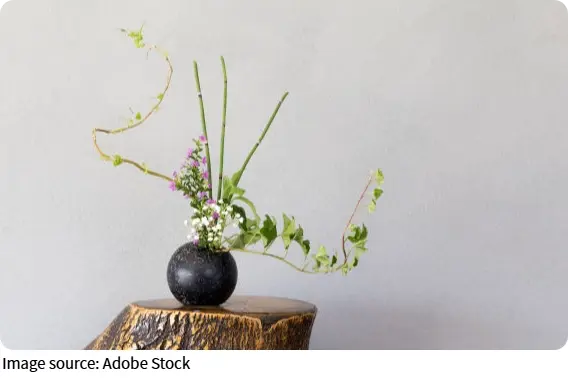
Instead of one large centerpiece, try placing three small vases along the center of a long table. Each can hold a few stems, creating a relaxed and natural appearance. This approach also allows guests to enjoy the flowers from different angles.
A well-designed floral centerpiece does something subtle yet powerful. It slows people down. Guests often lean closer to admire the flowers, adjust a stem, or comment on the colors before the meal even begins. That small moment of attention helps create the warm atmosphere that makes gatherings memorable.
The next time you prepare a table for friends or family, try placing a few fresh flowers at the center. The arrangement does not need to be elaborate. A handful of seasonal blooms, a small vase, and thoughtful placement are often enough to transform an ordinary table into a space where conversation and connection naturally unfold.