Color Temperature

Liam Reilly
| 05-03-2026
 · Lifestyle Team
Imagine walking into two living rooms. One is bathed in soft amber light, walls painted in muted terracotta, with warm wooden floors beneath your feet.
The other is dominated by cool grays and pale blues, illuminated by bright white lighting. Your mood shifts immediately. The first room feels cozy, intimate, and calming.
The second feels crisp, refreshing, and alert. This is not accidental—color temperature has a measurable impact on human perception and emotional response.
Understanding the psychological influence of warm and cool tones allows interior designers and homeowners to create spaces that support both function and emotional comfort. Every room can benefit from intentional color choices that harmonize with its intended purpose.
Warm Colors: Creating Comfort and Connection
Warm colors, such as reds, oranges, yellows, and warm browns, naturally draw attention and convey energy. They are particularly effective in spaces where social interaction or relaxation is desired.
1. Enhance sociability in gathering spaces
In living rooms and dining areas, warm tones stimulate conversation and invite lingering. For example, a terracotta accent wall or ochre upholstery encourages a sense of intimacy, while subtle gold accessories reflect light and enhance warmth.
2. Promote comfort in relaxation zones
Bedrooms benefit from warmer shades in bedding, curtains, or rugs. Warm neutrals, peach, or soft amber create a cocooning effect, helping the mind transition from activity to rest.
3. Use selectively for impact
While warmth encourages engagement, too much can feel overwhelming. Designers often pair warm focal elements with neutral backgrounds to avoid overstimulation, ensuring that energy is guided rather than chaotic.
Warm colors are psychologically associated with sunlight and fire, triggering feelings of safety, security, and connection, making them ideal for areas where human interaction is central.
Cool Colors: Encouraging Calm and Focus
Cool colors—blues, greens, violets, and cooler grays—produce a calming effect and help regulate temperature perception. These shades are effective in functional or restorative spaces.
1. Enhance concentration in work areas
Home offices or study corners benefit from cool blues or soft green accents. These tones reduce visual fatigue and create a serene backdrop for mental activity.
2. Expand perceived space
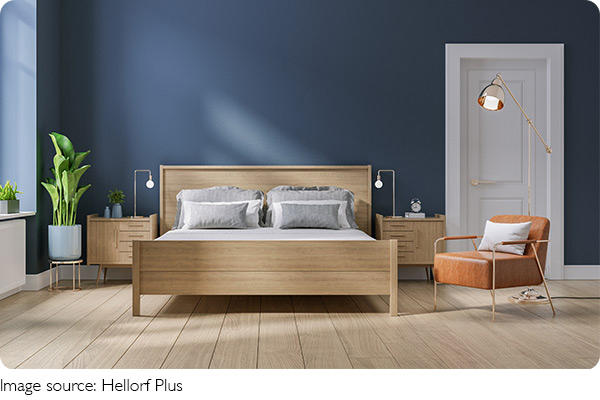
Cool colors recede visually, making smaller rooms feel larger and more open. Pale blue walls combined with white trim can transform a compact bedroom or bathroom into a spacious-feeling environment.
3. Complement natural light
Rooms with abundant daylight can handle deeper cool hues without appearing dim. Cooler tones help balance strong sunlight, preventing glare from overwhelming the senses.
Cool colors are psychologically linked to water, sky, and natural tranquility, promoting reflection, focus, and a sense of airiness.
Balancing Warmth and Coolness Across Spaces
Few interiors rely solely on warm or cool tones. Effective spaces combine both, creating balance and guiding emotional response throughout the home.
1. Transition between rooms
Hallways or open-plan spaces often require a neutral buffer between warm and cool rooms. Soft beige, light gray, or muted taupe facilitate smooth visual and emotional transitions.
2. Use accent pieces strategically
Cushions, rugs, or wall art can introduce secondary temperatures. For instance, a blue accent chair in a warm living room creates visual relief and prevents monotony.
3. Consider lighting temperature
Artificial lighting can modify perception of wall and furniture color. Warm light enhances reds and yellows, while cool white lighting accentuates blues and greens. Adjusting bulbs or layering lamps allows control over how color temperature is experienced throughout the day.
Ultimately, the goal is psychological alignment: living rooms feel inviting, kitchens energizing, bedrooms restful. Thoughtful use of warm and cool hues ensures each space supports its intended emotional function.
Color temperature in interior design is more than decoration—it is an invisible architect of daily experience. By observing how warmth invites intimacy, how coolness encourages focus, and how balance creates harmony, we can shape homes that respond to both practical needs and emotional rhythms. Next time you select paint, furniture, or textiles, consider not only the shade but its temperature and the subtle influence it will have on the way people feel and interact within that space.