Curious Dolphin Moment

Amit Sharma
| 05-02-2026
 · Animal Team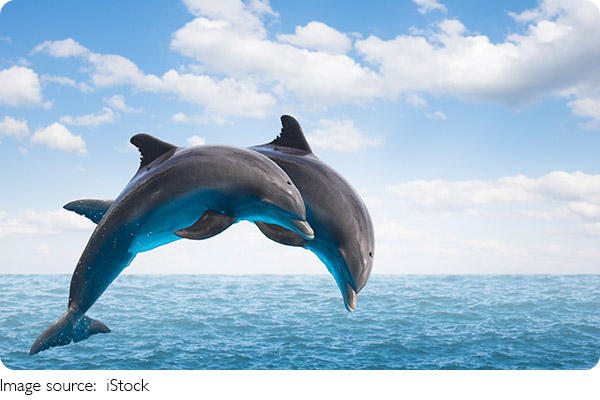
Imagine standing on a small boat in the middle of a sunlit sea, waves gently rocking beneath you. Suddenly, a sleek gray shape rises from the water, and a bottlenose dolphin lifts its head to peer curiously at us.
Its dark, intelligent eyes scan the boat, its small, rounded rostrum shining in the sunlight. Moments like this remind us why dolphins are so captivating.
When we see a dolphin looking up from bright blue water, we feel a connection that is both magical and grounding, a reminder that the ocean is full of life and surprises.
The Beauty of Bright Blue Waters
We often forget how the colors of the ocean can shape our experience. The turquoise of tropical seas or the deep navy of temperate waters creates a perfect backdrop for the dolphin’s smooth, gray skin. Sunlight sparkles across every ripple, highlighting each playful flick of the tail or graceful tilt of the head.
As we watch, we notice tiny water droplets glinting in the sun, a reminder that the ocean is alive with motion, light, and reflection. The bright blue water isn’t just a setting—it’s part of the experience, making the dolphin’s gaze even more striking.
Curiosity and Intelligence
Bottlenose dolphins are naturally curious. When we see one pop its head out of the water, it’s often more than a simple glance—it’s observing, processing, and sometimes even testing our reactions. This curiosity is paired with remarkable intelligence. Dolphins can remember faces, mimic behaviors, and solve complex problems.
Seeing a dolphin’s inquisitive eyes above the water reminds us that intelligence isn’t limited to humans. We witness a creature capable of planning, interacting, and even playful mischief, all while moving effortlessly through its marine world.
Playful Moments in the Wild
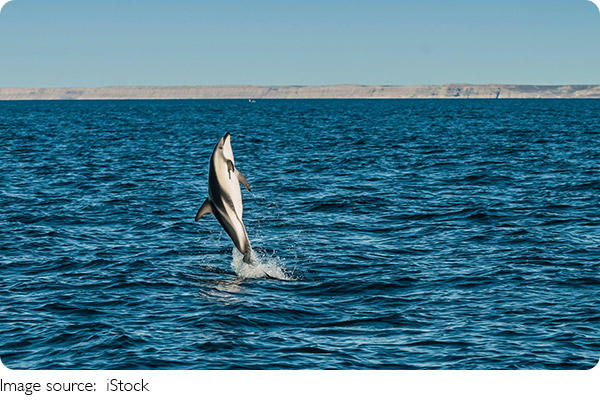
We notice that dolphins rarely stay still. After peeking above the waves, they may spin, leap, or surf the boat’s wake, their sleek bodies slicing through the water with elegance. These playful actions aren’t just fun—they’re essential for strengthening social bonds, practicing hunting techniques, and staying alert to their environment.
Sometimes, two or three dolphins will follow each other in synchronized jumps, while others twirl under the surface. When we observe these joyful displays, we feel part of their world, sharing a moment of pure energy and freedom.
Social Connections and Pods
Bottlenose dolphins are highly social creatures. We often see them in pods of varying sizes, from small family groups to larger communities of dozens. Each dolphin has its own personality, and interactions between members are complex. We can witness dolphins communicating through whistles, clicks, and even body language like leaping, tail slapping, or gentle nudges.
Watching a dolphin look up at us while others swim nearby, we see not only curiosity but also a carefully coordinated social network in action. These relationships are essential for survival, for sharing knowledge, and for passing down behaviors from one generation to the next.
Human Interactions
We share a long history with dolphins, sometimes full of admiration and other times marked by unintended harm. In some areas, dolphins have grown accustomed to boats and snorkelers, approaching cautiously to investigate. When we respect their space, they respond with gentle curiosity.
Historically, dolphins have also been trained to locate underwater objects or assist in search operations, but wild dolphins are best appreciated from a safe distance. Observing them in their natural habitat, without interference, is the purest way to connect and understand their world.
Threats They Face
Despite their agility and intelligence, dolphins face numerous threats. We see the impact of human activity in fishing nets, boat traffic, and pollution. Dolphins can get accidentally trapped in tuna nets or crab traps, and some populations face hunting pressures in certain regions. Oil spills, plastic waste, and noise pollution also disrupt their natural behaviors.
Understanding these dangers reminds us that we have a role in protecting these incredible creatures. Every effort we make to preserve clean, safe waters benefits not just dolphins but the entire marine ecosystem.
Brains That Impress
We can’t overlook the sheer intelligence of bottlenose dolphins. Their encephalization quotient (EQ) is 5.26, even higher than that of chimpanzees, which explains their complex behaviors and learning ability. They can recognize themselves in mirrors, use tools like sponges to forage food, and even innovate hunting strategies.
When we watch a dolphin peek from the bright blue water, we’re not just seeing a playful glance—we’re witnessing a mind capable of thought, problem-solving, and cultural transmission.
Why We’re Drawn to Them
Lykkers, moments like these remind us why dolphins have captured human fascination for centuries. Their intelligence, playfulness, and curiosity make us feel a connection that goes beyond observation. We see lessons about joy, cooperation, and adaptability. Each dolphin’s gaze from the water invites us to pause, to reflect, and to appreciate the beauty and complexity of life beneath the waves.
How We Can Help
If we want these moments to continue, we must act. Supporting sustainable fishing practices, reducing plastic pollution, and choosing responsible wildlife tours are ways we protect dolphins’ natural habitats.
Observing them responsibly, without chasing or touching, ensures we respect their world while still enjoying their playful energy. Every action counts, and by protecting these oceans, we make it possible for future generations to witness the magical sight of a bottlenose dolphin looking up from bright blue water.
Facts: The Bottlenose Dolphin
Video by Deep Marine Scenes